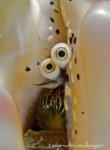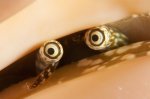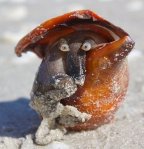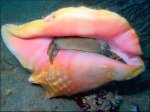

Today we learned that conches, the sea-dwelling mollusks who live inside those big, beautiful conch seashells in warm tropical waters, peer out at the world with cartoonish eyes on tiny eyestalks. They see you. They see everything. And what’s more, they can regenerate their peepers should they happen to lose one or both of them.
“One 1976 paper dug into the specific behind these animals’ alien eyestalks. Sitting at the tips of long stalks, they contain retinas with both sensory cells and colored pigment cells. But the story gets weirder because obviously, it gets weirder. After amputating the conchs’ eyes, a fully-formed replacement took its place 14 days later. Humans, we really are losing this evolutionary game.”
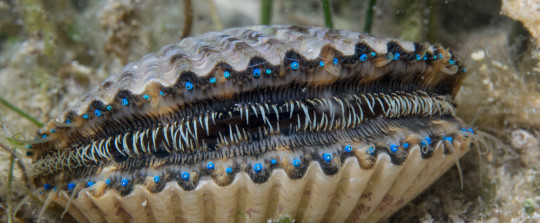
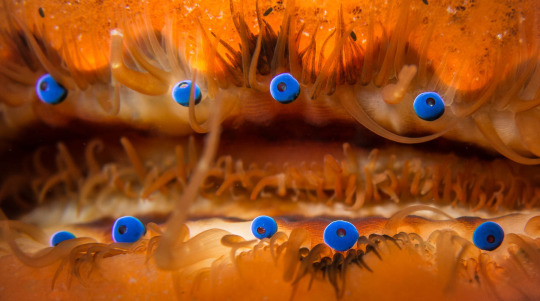
But wait, that’s hardly the only surprising set of eyes under the sea. Scallops have eyes too, LOTS of them:
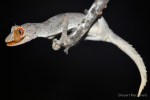
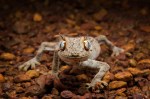
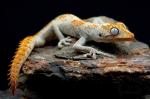
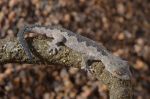
The northern spiny-tailed gecko is a lizard endemic to Australia. These geckos are nocturnal and their diet is relatively unknown, but they have been observed eating arthropods. Spiny-tailed geckos also
have the ability to squirt a harmless, smelly, fluid from their tails. This is used as a deterrent for birds and other predators.
This species can vary from a uniform grey color, with few black or orange scales, to rich brown, with a mottled pattern of grey, white, and orange scales.
it took me 3 times reading this post to realized that (wild) meant living in the wild and wasn’t just a casual remark on the longevity of these organisms