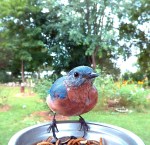
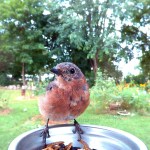
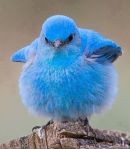
The Bluebirds have been coming each evening for a while, and it was always getting too dark for good pics, as can be seen in the last one. Today, they came in the morning, and I finally got some nicer ones. It seems like the whole family is coming, and it is becoming rather tough to tell the parents apart from the older kids because everybody is molting. However, as you can also see, there are still young ones that need their parents’ attention 🙂 Things must be less stressful now, to me it almost looks like the first one is smiling (I know, I know…)
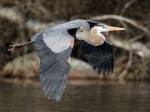
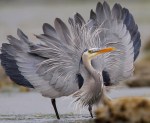
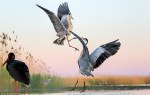
The great blue heron (Ardea herodias) is a large wading bird in the heron family Ardeidae, common near the shores of open water and in wetlands over most of North America and Central America, as well as the Caribbean and the Galápagos Islands. It is a rare vagrant to coastal Spain, the Azores, and areas of far southern Europe.
The scientific name comes from Latin ardea, and Ancient Greek erōdios, both meaning “heron”.
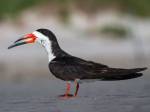
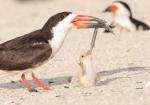
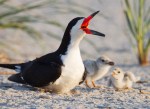
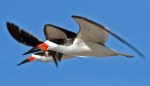
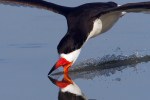
The black skimmer is a tern-like seabird native to North and South America. They feed usually in large flocks, flying low over the water surface with the lower mandible skimming the water for small fish, insects, crustaceans and mollusks caught by touch by day or night.
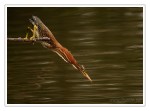
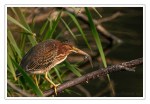
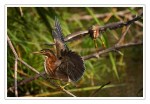
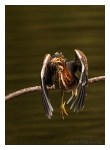
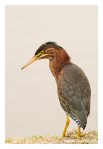
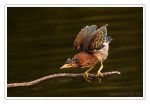
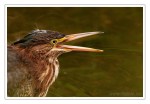
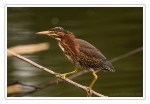
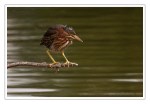
More of the baby Green Heron. He’s losing a lot of the fuzz from his head now. The first time I saw him he wasn’t catching much, but I’ve seen him catch a couple dragon flies and a few tiny fish since then so his hunting skills are improving.
The little guy is not very ‘street smart’ yet which is why I’ve managed to get quite a few shots of him. I’ll share a few of the adult Heron too – looks the same but no fuzz and less striping on the chest.
[Video of venerable TV naturalist David Attenborough standing amid vegetation. On a near-horizontal branch above his head is a brown and yellow greater bird of paradise, about the size of a crow, with big floaty yellow plumage puffing out along its back.]
Bird: Pwuk. Pwuk. Venerable TV naturalist David Attenborough: This, surely – Bird (hopping along the branch): WUKWUKWUkwukwukwukoooh. Oooh. Oooh.
[Cut. Same shot.]
Venerable TV naturalist David Attenborough: This, surely, is one – Bird: Kark kark kark kark kark kark kark kark kark kark kark kark kark kark kark kark kark kark kark kark kark kark kark kark kark kark. Venerable TV naturalist David Attenborough: This, surely –
[Cut. Same shot but the bird is on the other side now and venerable TV naturalist David Attenborough has his hand on the branch.]
Bird (hopping up and down on venerable TV naturalist David Attenborough’s fingers): Eh-eh. Eh-eh. Eh-urrrr. Eh-urrrr. Venerable TV naturalist David Attenborough: Close up – Bird (hopping away from him): Tiktiktiktik. Tiktiktiktik. Venerable TV naturalist David Attenborough: – the plumes – Bird (hopping around): Huek. Venerable TV naturalist David Attenborough: – are truly – Bird: Huek. Venerable TV naturalist David Attenborough: – exquisite. Bird: Huek. Eh-eh. Venerable TV naturalist David Attenborough: The gauzy – Bird (hopping and spinning on the spot): HukWUKWUKWukwukoooh. Oooh. Venerable TV naturalist David Attenborough: …
[Cut. Same shot but the bird is back on the original side of the branch.]
Bird: Aark. Venerable TV naturalist David Attenborough: Of course, by the eighteenth century – Bird: Ehhh. Venerable TV naturalist David Attenborough: – naturalists realized that birds of paradise – Bird (hops across to the other side of the branch) Venerable TV naturalist David Attenborough: – did have – Bird (hopping back again): Krrrrrrrrrrrrrrrr. Venerable TV naturalist David Attenborough: – legs. Even so – Bird: WUKWUKWUKWukwukwukooh.
[Cut. Same shot.] Venerable TV naturalist David Attenborough (apparently trying to tickle the bird’s tummy): – by about the eighteenth century – Bird (hops away and spins round) Venerable TV naturalist David Attenborough: – and so – Bird: AAAAAK AAAK AAAK AAAK AAAK AAAK AAAK AAAK AAAK AAAK AAAK aaak. Venerable TV naturalist David Attenborough (wearily): … Very well.
[Cut. Same shot.]
Venerable TV naturalist David Attenborough: – but Karl Linnaeus, the great – Bird (vibrating rapidly on the spot and then flapping its wings): PWAAAAAAAK. Venerable TV naturalist David Attenborough: – classifier of the natural world – Bird: AAAAAUUUH AAAUUUH AAAUUUH AAAUUUH AAAUUUH AAAUUUH AAAUUUH AAUUH. Venerable TV naturalist David Attenborough: – when he came to allocate a scientific name – Bird: … Venerable TV naturalist David Attenborough: – to this bird – Bird: … Venerable TV naturalist David Attenborough: – called it – Bird: Wooo-ooo. Venerable TV naturalist David Attenborough: – wooo-ooo – Bird (surveys the surroundings with a dignified turn of the head) Venerable TV naturalist David Attenborough: ‘paradisia apoda’: the bird of paradise – Bird: Hoooo. Venerable TV naturalist David Attenborough: – without legs. Bird: Eh-eh.
does anyone know if this bird is real and what it is
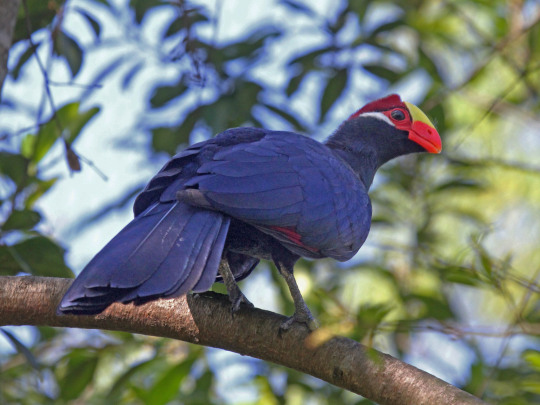
It is, it’s a red-crested turaco.
Turacos are FANTASTIC.
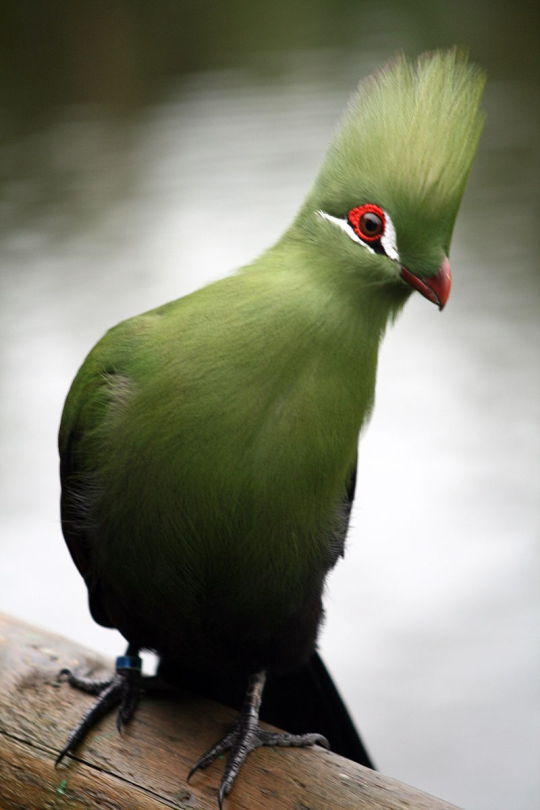
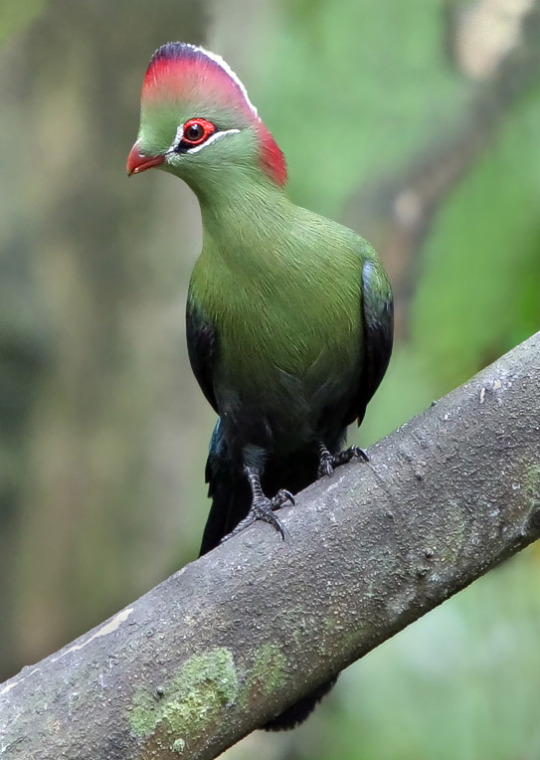
The reason they are such stunning colours is because they produce some really unusual pigments. For the greens, a pigment called turacoverdin (which is only found in a few groups of birds) and is the only true green pigment found in birds – other birds make the colour green from using feather structure to refract light a certain way. And the reds, from the pigment turacin, whereas most birds make reds from carotenoids (it used to be thought that ONLY turacos produced turacin, but it has recently been found in some other bird groups, such as rails).
They also often have crests, and long tails, and make fantastically loud noises, and tend to get really agitated when displaying or defending territory and jump up and down on branches angrily, and they can point their fourth toe either backwards or forwards.
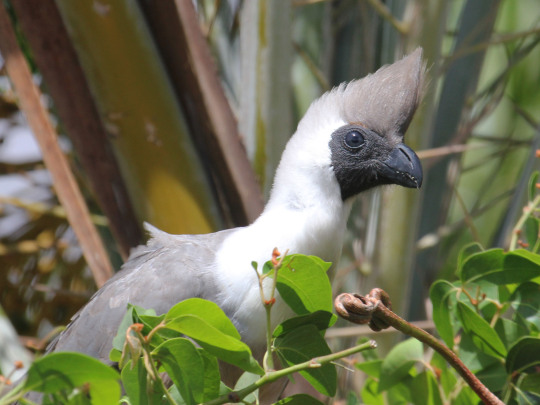
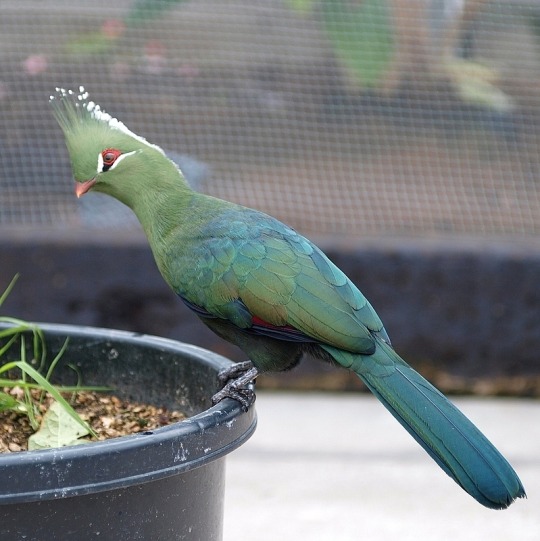
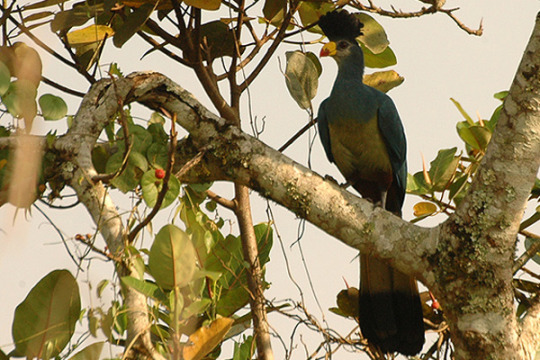
Here are some more pictures of this fantastic bird family (I love turacos. if anyone wants to come and talk about turacos with me I will be VERY EXCITED):















 Plume de Lynx
