The emerald swift or green spiny lizard (Sceloporus malachiticus) is a species of small lizard in the Phrynosomatinae subfamily, native to Central America. The emerald swift is found from Mexico’s Yucatan region, to Belize, Guatemala, Honduras, El Salvador, Nicaragua, Costa Rica, and Panama.
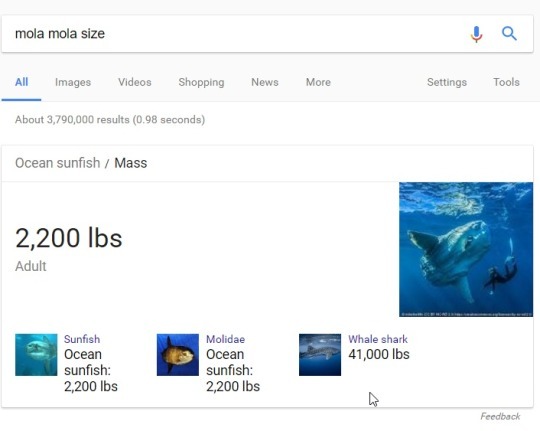
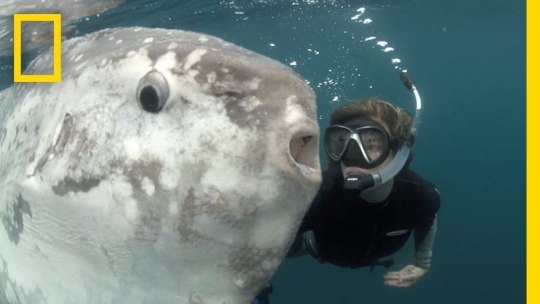
I love them so much because they’re about as sharp as a baseball and their anatomy is ridiculous to the point of them literally being classified as plankton for years because they just sort of get blown around by the ocean and look confused, but because they lay more eggs than ANY OTHER VERTEBRATE IN EXISTENCE, evolution can’t stop them
Why is no big predator coming and gnawing on them?
Their biggest defense is that they’re massive and have super tough skin, but they do get hunted by sharks or sea lions sometimes and they just sort of float there like ‘oh bother’ as it happens
Even funnier, because they eat nothing but jellyfish they’re really low in nutritional value anyway, so they basically survive by being not worth eating because they’re like a big floating rice cracker wrapped in leather.
So basically the only reason natural selection hasn’t taken care if them is because they are the most useless fish
yes, they’ve perfected uselessness to the point of being unstoppable
Prickly dogfish (Oxynotus bruniensis). Look at this idiot.
Prickly dogfish are actually sharks, and we actually know very little about this species. Like, for instance, why their skin is so rough as to look furry. We do know these guys are one of the few sharks that give live birth! They’ve been found gestating up to seven pups at a time.
They live, somewhat appropriately, in the “Twilight Zone” (Mesopelagic Zone, 200-1000 meters below the surface) off the shores of Australia and New Zealand.
Rare giant clams in the Palmyra Atoll and Kingman Reef national wildlife refuge, part of the Pacific Remote Islands Marine National Monument in the Pacific, south of Hawaii. Photograph: Reuters
Giant clams are often incredibly stunning and brightly colored – it’s sometimes hard to even recognize them as clams, since media often focuses more on the shape of the shell than the animal inside it. The next time you’re at an aquarium with a living coral tank, look closely! You might find a couple clams in among the other inhabitants.



 Plume de Lynx