Maybe some of you have heard about that awesome sea slug that contains algae chloroplasts and can actually photosynthesize like a plant, right?
Well, it also seems that its ability to utilize chloroplasts was a mutation induced by a virus.
The virus continues to operate in the maintenance of this process.
100% of the species is infected.
……And after they lay their eggs, 100% of them are killed by that virus. Not by “aging” or some other natural life cycle trigger. They just stop being necessary now that they’ve made a new generation and the virus re-activates what were probably its original deadly symptoms when the two first met millions of years ago.
hi what the FUCK
I’ve only read the abstract but
a) this makes it the second animal clade I know of to have a symbiotic relationship with a virus, Ichneumons and their ilk being the first
b) Synchronized mass die-offs, what the hell, why isn’t that selected against AF
reblog this post with a cool animal species lets make a wholesome thread
ok ill give a headstart:
i really like leopard seals
axolotls are p rad
I LOVE THOSE
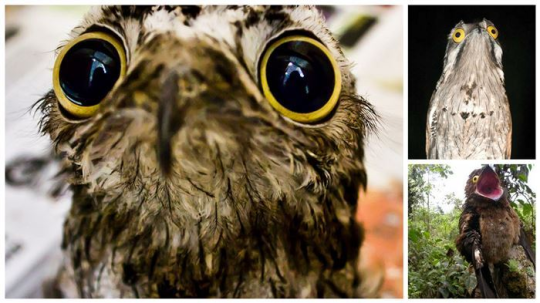
potoos look like muppets and i ove tem
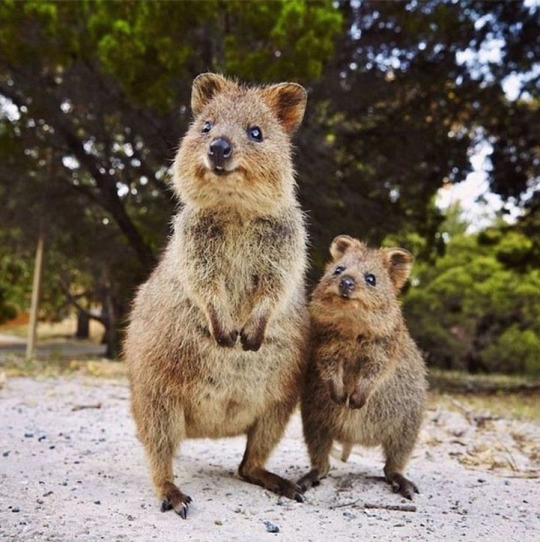
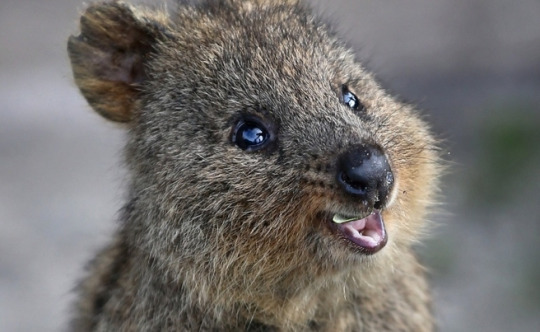
here’s a quokka it’s like someone decided to splice together a wallaby and a teddy bear they literally always look like a benevolent cartoon
i don’t think you can get more wholesome than that adorable lil seed-eating smiley face. they’re not even like dolphins, cute on the outside and evil on the inside. they’re herbivores about the size of a cat. there is nothing wrong with them.
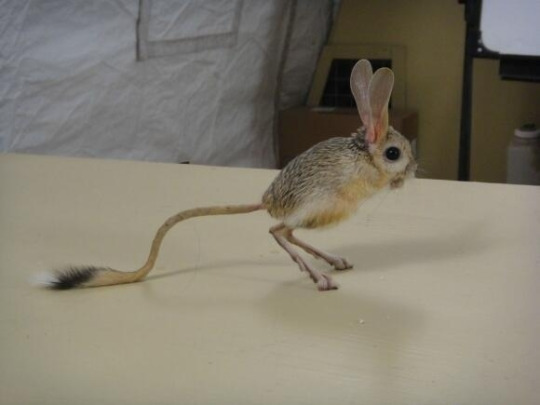
The Springhaas, or “irl pikachu” as it is sometimes known, is basically a rat shaped like a bunny abruptly caught in the middle of trying to evolve into a kangaroo. This is why they tend to look startled.
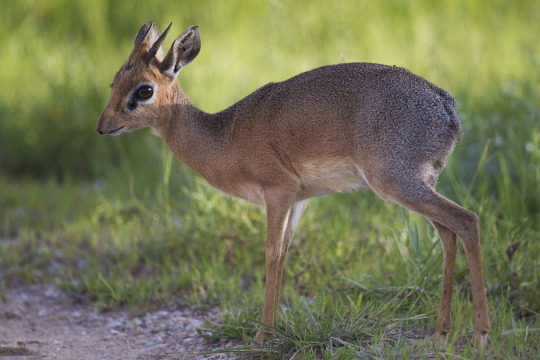
This is a dik dik. They are tiny antelopes from southern and eastern Africa–seriously so smol. With teeny hooves and teeny horns and big soulful eyes. And the name is fun to say. It comes from the alarm call that the females make. They live together in monogamous pairs.
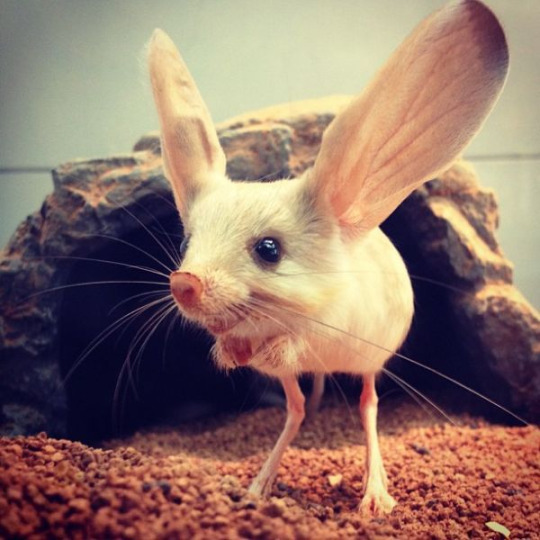
Long Eared Jerboa
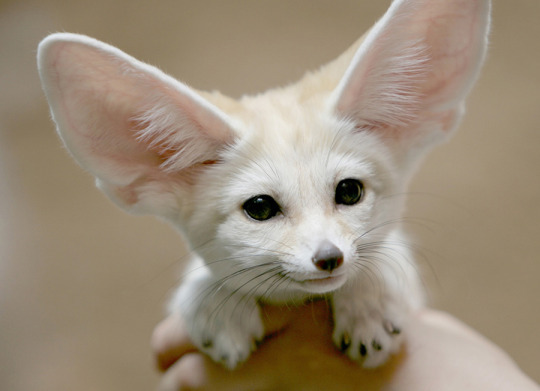
The adorable mash-up of a hamster, bunny, and kangaroo. Whiskers with no end, ears that put a fennec to shame, and adorability beyond measure!
bringing this back on your dashes
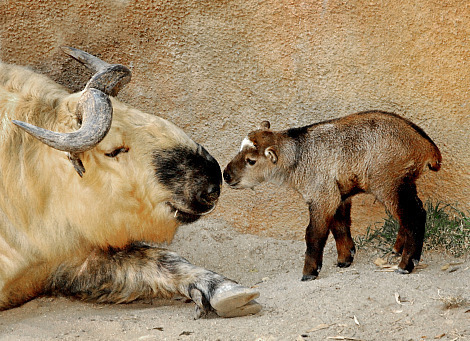
a sichuan takin bull and his daughter
often the color of donald trump’s hair and looking like a cross between a bison and a guinea pig, the takin is actually a bloody big goat-antelope. they have splendid noses, a natural smile, and share their habitat with pandas. which should be good enough for anyone.
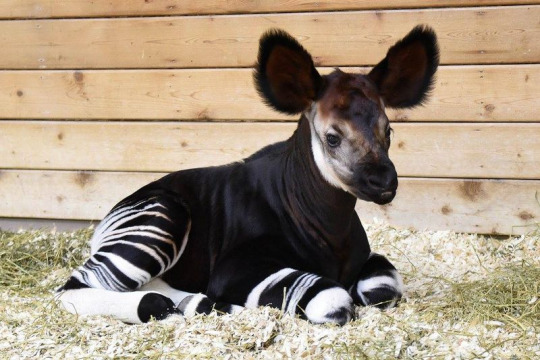
This is an okapi. They are related to giraffe, can lick their own eyeballs and kind of always look like you just asked them for a ride to the airport but look at those ears and the little striped legs ~(*^*)~
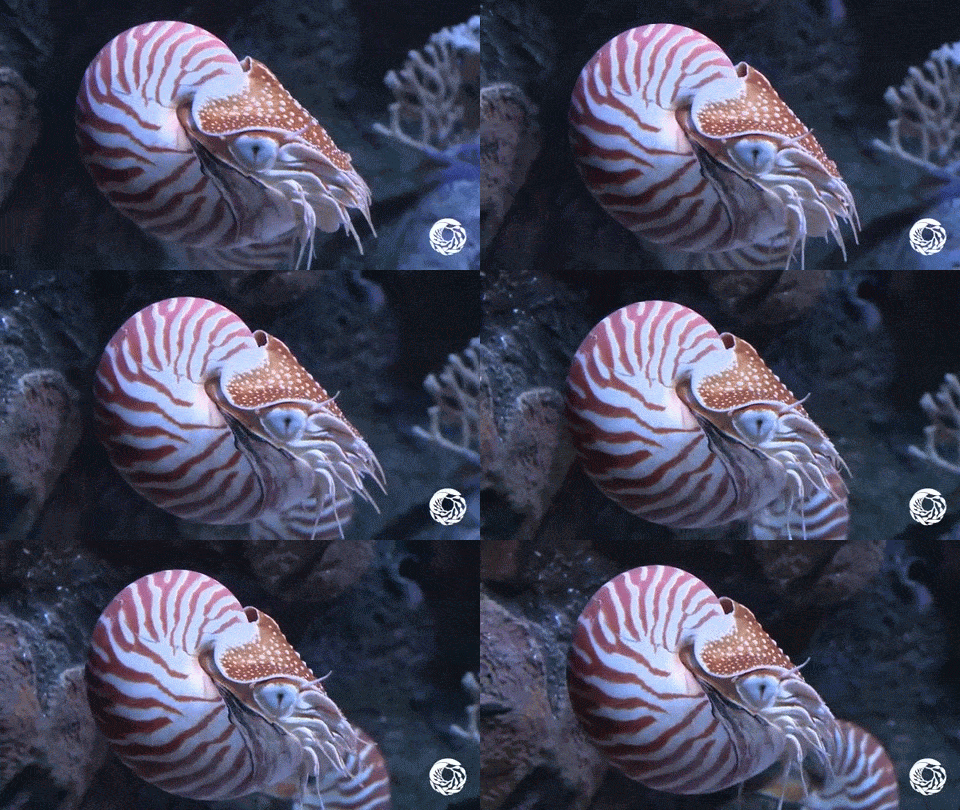
Chambered nautilus! A living fossil! I also love axolotl though.
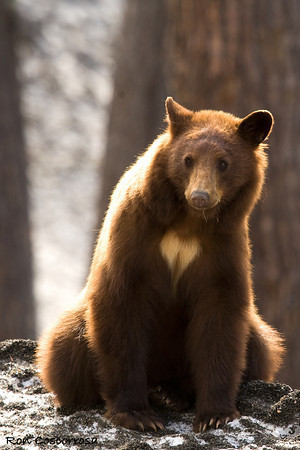
A cinnamon bear! Actually a member of the black bear family, they’re one of the more calm species out there. We also have matching hair ❤ Enjoy this one with a heart on its chest!
Capybaras! They’re the largest cavy species,(cavies are animals like guinea pigs) They’re BASICALLY a giant golden retriever in the skin of guinea pig.
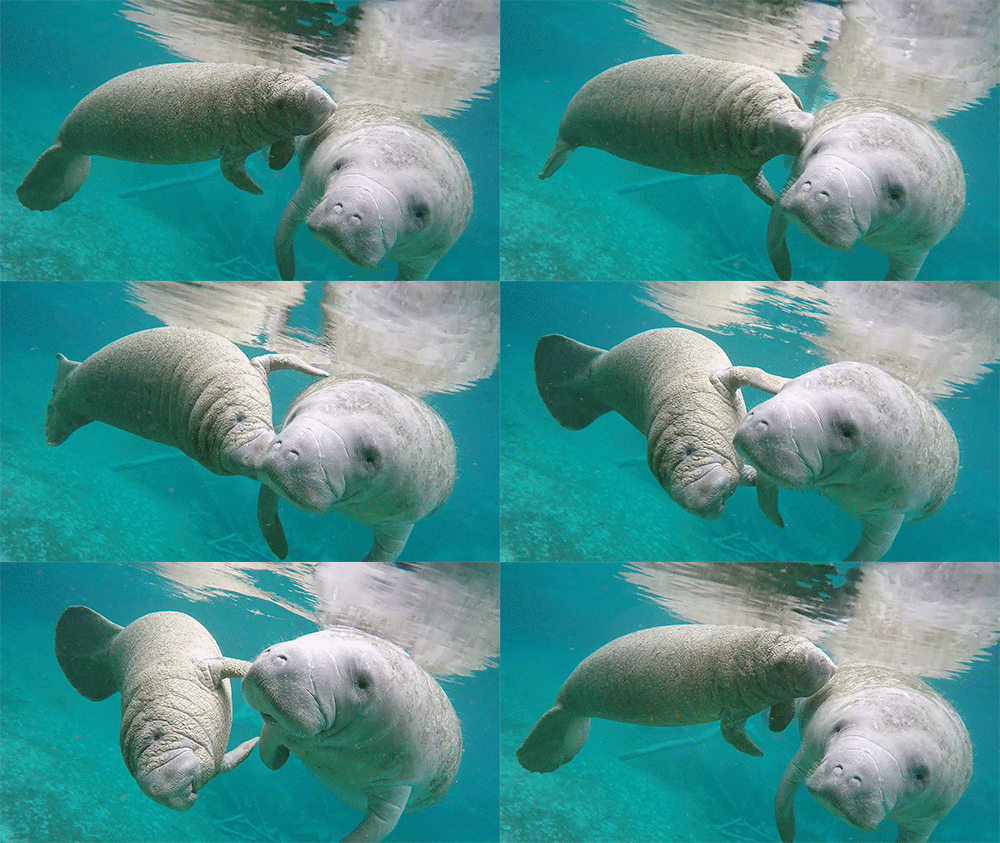
They’re just big lumps that float around the sea. They’re non-aggressive, non-territorial herbivores that spend most of their time sleeping or eating, or they might be socializing with other manatees or investigating interesting objects.
Best of all, as of this year they are no longer endangered!!
Maine coons!! So soft and friendly!!!
Look at these babies!!!
Majestic af!!!
Because, why mow the lawn when you have ponies!
Sand Cats! Even the adults look like regular kittens, and the kittens are weapons-grade cute :3
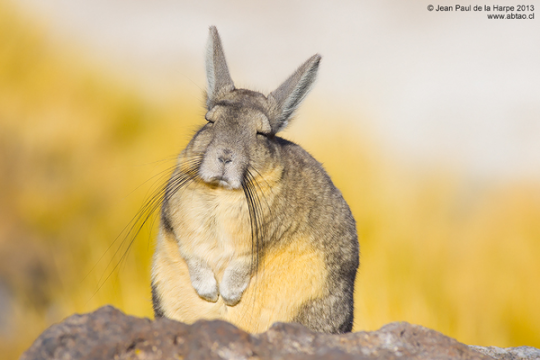
Viscachas look like rabbits with longer tails, but they’re actually related to chinchillas. Also they have a tendency to look like meditating monks when they sunbath.
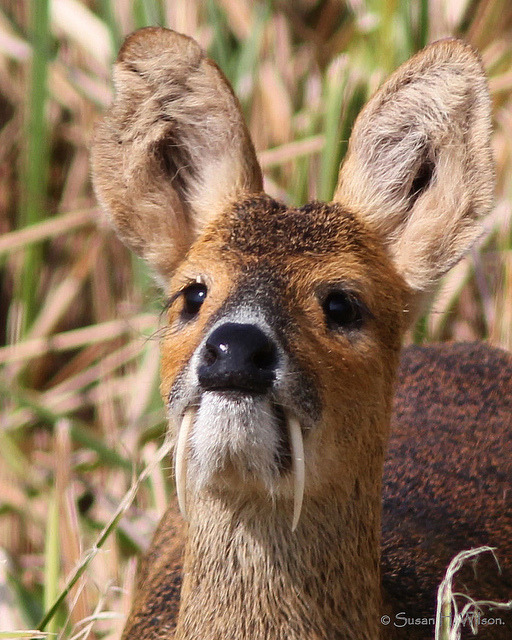
chinese water deer!
look at them there dorky fangs
A pleasantly round birb I saw at work the other day.
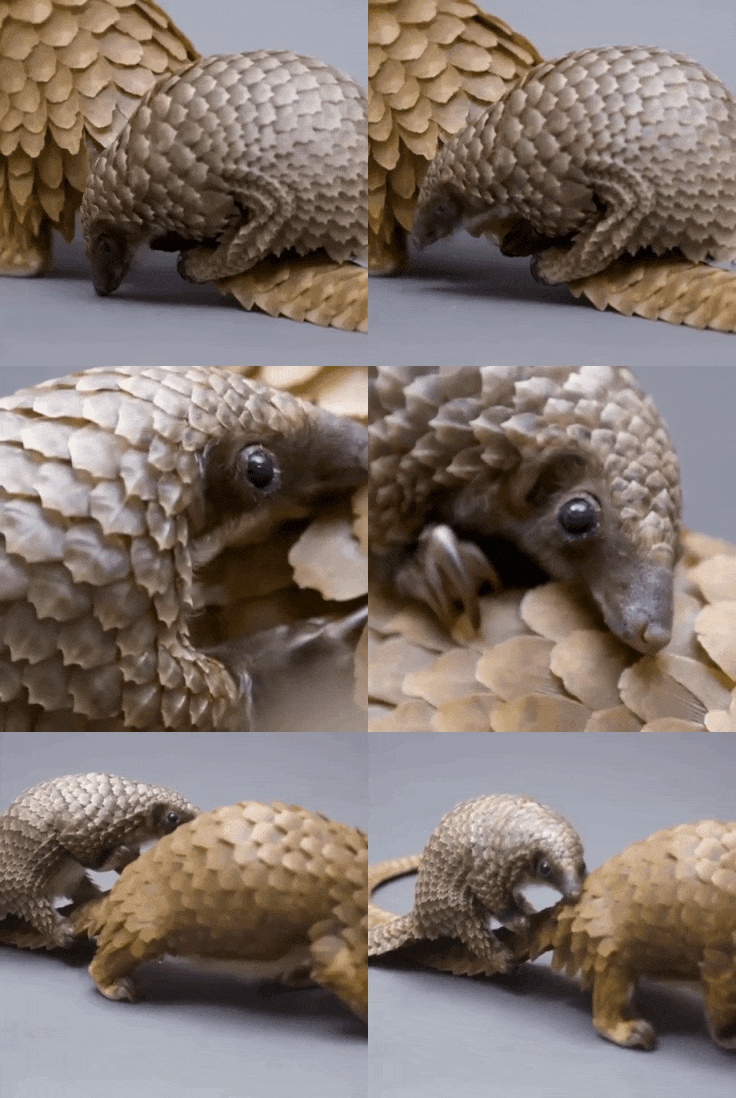
no pangolins? They is ooo cute.
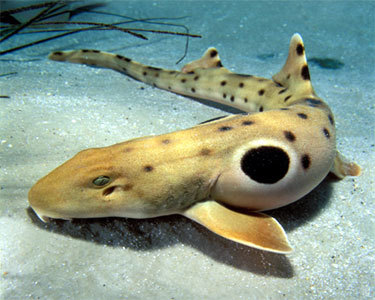
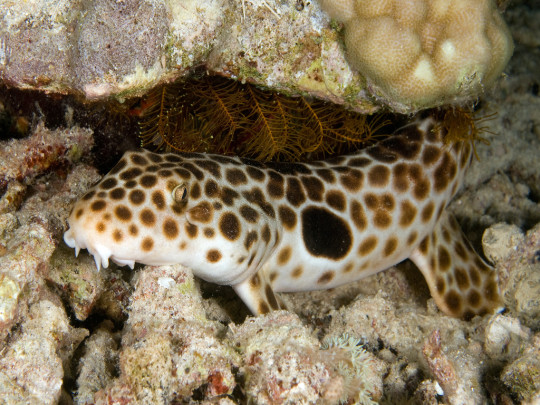
Epaulette sharks are small, cute, and are named for their lovely shoulder decorations! Instead of swimming, they oftentimes use their fins to walk along the ocean floor. I love them.
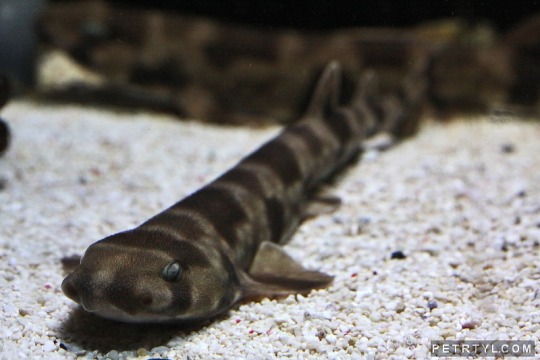
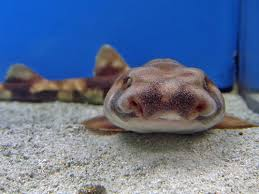
And another small shark that walks, the cloudy catshark:
Quality snoot!
I always reblog this with red river hogs because zomg cute! And they will come up to see you at zoos if you are quiet, softly grunting “whuff whuff” as they do.
I recently received quite a few questions on this topic, so here’s an intro, which hopefully will address most of your concerns.
Before you proceed, bear in mind that GP assignment is far from an exact science. There is no shortage of political undercurrents and seemingly arbitrary decisions involved in the whole process. Even discounting that, brace yourself because this stuff is lengthy and convoluted.
As usual, the focus of my post will be on the two single disciplines. The basic principles are the same for Pairs and Ice Dance, however in those two disciplines there are a few more bylaws concerning the case of “split couples” (which involves, you guess it, teams who have gone through recent changes in partnerships). Those rules make things a bit more complicated and there are people who are more familiar with Pairs/ID who can explain them to you much better than I do, so I won’t embarrass myself by talking about them.
With that out of the way, let us dive straight into the details.
The Grand Prix Series
The Grand Prix Series (GPS), officially named The ISU Grand Prix of Figure Skating, consists of 6 international senior invitational events and the Grand Prix Final.
The GPS, in its current format, was incorporated in 1995, and since then, the 6 GP events have been hosted by: Canada (Skate Canada International – SCI), China (Cup of China – CoC), France (Internationaux de France – IDF), Japan (NHK Trophy – NHK), Russia (Rostelecom Cup – CoR for Cup of Russia, its more commonly known name), and the US (Skate America – SA). For the upcoming season however, the Chinese Skating Association has temporarily opted out of hosting ISU events, presumably to make way for Beijing 2022 preparation. The ISU has yet to announce the event that will replace CoC in the GPS.
A skater can participate in a maximum of 2 GP events. Their placements at the GPs they take part in will determine the number of points they earn towards their Grand Prix Standings (which is a completely different system from the World Standings / Season’s World Ranking – don’t ask me why, the ISU works in mysterious ways). At the end of the 6 GP events, the top 6 men / ladies in the GP Standings will qualify for the Grand Prix Final. I won’t go into the details of how the GP Standings work today because it’s a topic that deserves, and requires, its own post, maybe later.
The Selection Pool
The GP events are invitational, which means that, in principle, which skaters to invite to a certain event is up to the host federation. Roughly, the way it works is that the ISU will put together a pool of skaters who are eligible to participate in the GPS, then the 6 skating federations who organize the GPS sit down together, look at the list, and decide whom to invite to their event.
There are certain limits to these invitations, the most important of which are:
No skaters can participate in more than 2 events.
The total number of skaters who participate in a GP event, for single skating, must be between 8 and 12.
A maximum of 3 skaters (per discipline) from the host country can participate in the host country’s event.
A maximum of 3 skaters (per discipline) from the same country can participate in any one GP (I keep this separate from point 3 above because point 3 has a different implication, see below).
The Minimum Score
There is a minimum threshold of score a skater must meet if they are to be considered eligible to enter the GPS selection pool. This minimum score can be met either through Combined Total Score or Technical Element Score. These scores will be revised and published annually by the ISU before the selection process begins. For example, for the 2017-2018 GPS, the minimum score for the ladies was either total score of 140.05 or TES of 25.26 for the SP and 46.96 for the FS.
The Host Pick
In filling the 3 “domestic” spots as mentioned above, the host federation can choose a skater who does not meet the minimum score. However it should be noted that the ISU “strongly suggests” that the minimum be satisfied.
Skater’s Preference
Top skaters can (and will) indicate their preference as to which GP they wish to compete in. Their stated preference will be considered, though not always 100% guaranteed. So for example you’d see Yuzuru making frequent appearances at SCI because his training base is in Toronto.
The Seeds
Skaters who placed first to sixth in the previous season’s World Championships will be considered Seeded Skaters and will be assigned to 2 GP events. “Seeded” in this context means that they’ll be spread out so that no more than 2 out of 6 will be at the same event. For example, consider the 2017-2018 GPS, the seeds were, for the men’s field: Yuzuru, Shoma, Boyang, Javier, Patrick, and Nathan, for the ladies’ field: Evgenia, Kaetlyn, Gabby, Karen, Mai, Carolina. Their GP assignments were (in order of events):
CoR: Yuzu – Nathan / Zhenya – Caro
SCI: Shoma – Patrick / Kaetlyn – Karen
CoC: Boyang – Javi / Gabby – Mai
NHK: Yuzu – Patrick (which didn’t happen, but still) / Zhenya – Caro
IDF: Shoma – Javi / Kaetlyn – Mai
SA: Boyang – Nathan / Gabby – Karen
Before you ask, funnily enough, the answer is no, in this seeding procedure, the ISU does not take into account results from the Olympics, at least they did not do so in the most recent post-Olympic season (2014-2105), and I do not think that they will start to do so this year, not least because they don’t seem to have any system on hands with which to factor both OG and WC results into consideration. So for the 2018-2019 GPS, barring a disruptive last minute change, the seeded skaters will be, on the men’s side: Nathan Chen, Shoma Uno, Mikhail Kolyada, Alexei Bychenko, Kazuki Tomono, Deniss Vasiljevs, and on the ladies’ side: Wakaba Higuchi, Satoko Miyahara, Alina Zagitova, Bradie Tennell.
You will have noticed that I didn’t mention Kaetlyn and Carolina. That’s because Kaetlyn has announced that she would not participate in the GPS next season, and I haven’t heard if Caro intends to continue competing. When such vacancies happen, the next-ranked skater(s) will be moved up to serve as seeds – in this case, it’s going to be Gabby Daleman (rank 7) and/or Maria Sotskova (rank 8).
The “Come-back” (official ISU terminology, I didn’t make it up)
Skaters who have previously been seeded, i.e., those who have placed 1-6 at a WC within the last 10 years, and have skipped the last one or more seasons, can be given priority consideration and virtually guaranteed 2 GP events. However, in order for this “come-back” to go into effect, the skater must, first, explicitly commit to the ISU that they will take part in their assigned GPs, and such come-back treatment is allowed only once in a skater’s career.
The Invites
Skaters who placed from 7 to 12 in the previous season’s WC will be guaranteed 2 GP events.
Any skater who holds a World Standing of up to 24 after the previous season ended will be guaranteed at least 1 GP event.
Any skater who has posted a total score within the top 24 seasonal best of the previous season will be guaranteed at least 1 GP event. Note: the ISU’s season best is a list of highest scores achieved by each skater at ISU-sanctioned events during the season. This, for example, is the Total Score list for 2017-2018: the top 24 goes from Nathan’s 321.40 at WC in first to Morisi Kvitelashvili’s 250.26 in 24th place.
All medalists from the Junior WC and the Junior Grand Prix Final champions, if they decide to move to senior next season, will be included in the selection process for the senior GPS, though their assignments are not explicitly guaranteed.
Skaters who have posted a seasonal best score within the top 75 in the previous season will be included in the selection pool and can be invited after the assignments are filled for (1) the seeded skaters (2) the come-backs, and (3) the invited skaters who are guaranteed at least 1 spot.
Junior skaters who have announced their intention of moving to senior and have met the minimum score will also be entered into the selection pool
The Conventions
Now, having said and considered all of the above, there are a few rules of thumb / traditions that always seem to materialize in each GP cycle, and can help you, for lack of a better word, predict whom you are going to see before shelling out your hard-earned money in exchange for a GP ticket.
One, if a seeded skater is from a nation who hosts a GP event, there is a near certainty of him/her attending their home event. If there are two seeded skaters from the same nation, the priority is given to the one with better results from the previous season. So in the next GPS you can reasonably expect: Nathan and Bradie at SA, Mikhail and Alina at CoR. Along this line, JSF is the only fed with a bit of a hairy problem on their hands. Going by the usual logic, Shoma and Wakaba should be their picks for NHK. However, there are, obviously, the cases of Satoko and Yuzuru to consider. Satoko, because she’s still, by common perception, their top lady skater, and Yuzu, because, well, because he’s Yuzuru Hanyu. The JSF can, of course, have all 4 of them at NHK, but that’d be a rather dumb thing to do because it’d increase the competition and create a disadvantage to their own top skaters in terms of earning GPF qualification points (especially in the men’s event, where, by rules, they’ll need to host another seeded skater besides Shoma). In short, I honestly don’t envy the JSF’s position and I wish them the best of luck.
Two, in the absence of a home GP, a seeded skater’s first assignment would be one closest to their home country, so for example Deniss is very likely going to compete at either CoR or IDF.
Three, even though the ISU does not explicitly promise 2 spots for the Junior World medalists, they usually get their 2 assignments. Last season for example, Alina, Marin, Kaori, Vincent, Dima, Samarin all got 2 GPs.
Four, most top skaters (seeded or no) would be afforded the courtesy of some time off between events. So for example, going by the event calendar next year (which, by the way, is SA – SCI – Undecided GP to replace CoC – NHK – CoR – IDF), since Nathan is most assuredly going to be at SA, you won’t see him at SCI.
Finally, five, since the GPS selection is done on an invitational basis, a skater’s reputation and, frankly speaking, their ability to fill up the venue weigh quite heavily in the federations’ consideration. So, for example, no, Yuzu does not need to invoke the “come-back” clause (which, incidentally, does not necessarily apply to his case anyway, since it’s mostly reserved for skaters who have taken an entire season or more off). He’s going to have 2 GPs regardless. If you really, really want to know my prediction, my bet is he’s going to be where he usually is, SCI and NHK. Same goes for Zhenya, though in her case I’m less sure which 2 GPs she’s going to get. I’d say SCI is a likely possibility for her too, considering her recent relocation.
Well well well, as usual this turned out to be about triple the length of what I expected it to be. Don’t know if it helps clear things up or confuses you even more. Let me know if it’s the latter so I can go into a corner and cry or something, and definitely let me know if I’ve missed something important.
Disclaimer: I have NOT covered everything, only picked and chosen those points which I think are good to know 🙂




























 Plume de Lynx